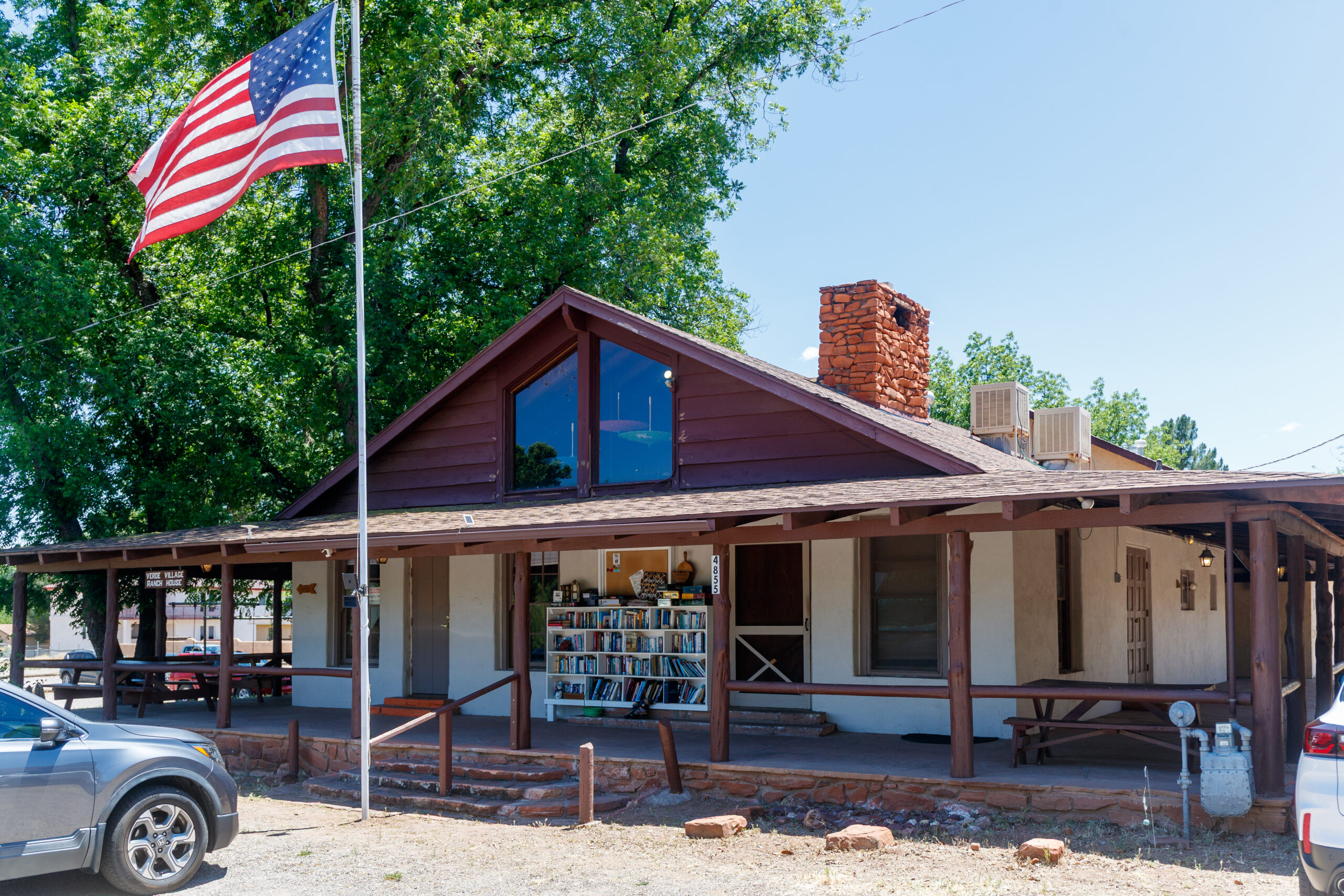
The Friends of the Verde River will be operating out of a ranch house down by the Verde River following an April 24 agreement with the Verde Village Community Connection, formerly called the Verde Village Property Owners Association. The agreement gives the conservation nonprofit a long-term lease on the organization’s community center at 4855 E. Broken Saddle Drive — and outright ownership of 33.66 acres of the Verde Village Nature Preserve on Comanche Drive.
“This is a wonderful opportunity for Friends of the Verde River, but it’s also a sustainable revenue stream for our organization which allows us to not rely on memberships for our success,” Verde Village President Aislinn Maldonado said in a press release. “This provides VVCC financial stability while we address some of the remaining issues in our unique community, such as the future of the Del Rio Pond and the remaining open parcels designated for parks. Now the real work begins.”
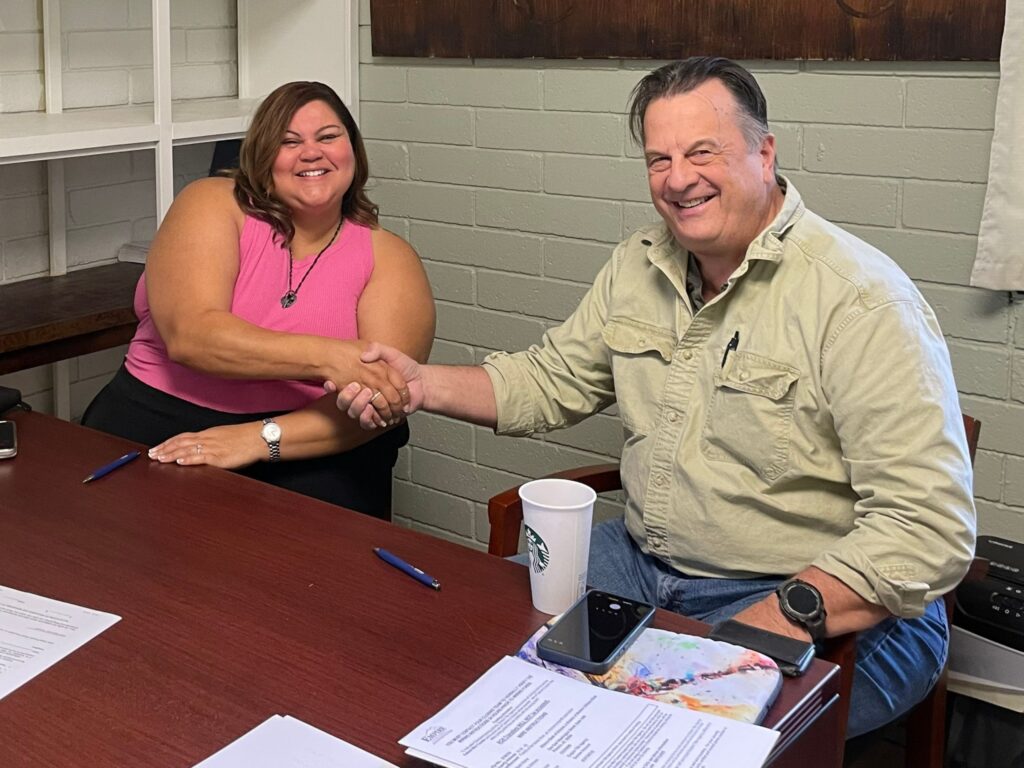
“Then they offered as well to lease their office space,” FVR Executive Director W. David Gressly said. “They have a ranch house, community hall, as well as other structures that we could use as our headquarters, and we always wanted to establish a River Center to help provide education for the community on the river and opportunities for training.”
The agreement does not cover VVCC’s now-closed pool or the Del Rio Pond; Maldonado cited both as community issues that the lease’s $20,000 annual revenue from FVR will help VVCC address.
The pond, located at 3901 E. Del Rio Drive, is slated to lose its water supply from the Cottonwood Ditch Association in February 2028, following a 2023 mandate barring ditch water from decorative ponds. Yavapai County is continuing to work toward a solution that centers on filling it in and converting it to a county park.
The Verde Village Nature Preserve “has river frontage,” Gressly said. “It’s a mile and three quarters. They’ve developed over the years hiking trails, and they have some informational signage. But it’s a place for people to go — hiking, biking, fishing, just enjoying the river itself.
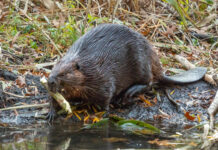
“We’ve had a good experience there during the Verde Bird and Nature Festival, where we did a tour. The guides were excited about it because they were able to identify 40 species of birds in under three hours of walking through the reserve. It’s got quite the diversity of wildlife. There’s beavers there. You can find otters and many other species.”
Gressly said, “we’re moving in the middle of the month” from its current main office at 115 S. Main St. to the new digs.
“There’s a ranch house that serves as our headquarters, but we hope, over time, to develop informational displays, signage, different kinds of demonstration projects for rainwater harvesting, pollinator gardens — but also have training classes,” Gressly said. “We want to train community scientists there to support the work we’re doing, whether it’s water quality monitoring. But also we have an otter spotter program, and also now we’re starting one up for beavers, so that people in the community can participate in data collection that helps us understand the reality of the Verde River.”
Gressly added it’s important for FVR that has been around for the last 15 years to be located riverside to give the organization “an identity that people can relate to,” and to bring people physically to the river. However, the improvements are contingent on fundraising the capital for it but that he is optimistic that signing the three-year lease for the building with the intention of staying there for the long term signals to donors that should invest in FVR because “people are more comfortable investing in something that has permanence, and we have that now.”
Once a long-term support plan is finalized, Gressly said, FVR will launch capital campaigns to fund the activities and infrastructure needed to realize that vision. He said the facility is being referred to for now as the Friends of the Verde River Reserve and River Center, though an official name has not yet been decided.
Over the next five to 10 years, “what we hope to do is establish both a reserve that is well maintained and designed for the benefit of people with all these different activities,” Gressly said. “Quality signage, quality information about the reserve itself, so that people can get maximum enjoyment out of this place.”