
Friends of Verde River, PNF and River Otter Project host luncheon
Friends of the Verde River, Prescott National Forest and River Otter Ecology Project hosted the lunch and learn webinar “Beavers on the Verde” on April 7.
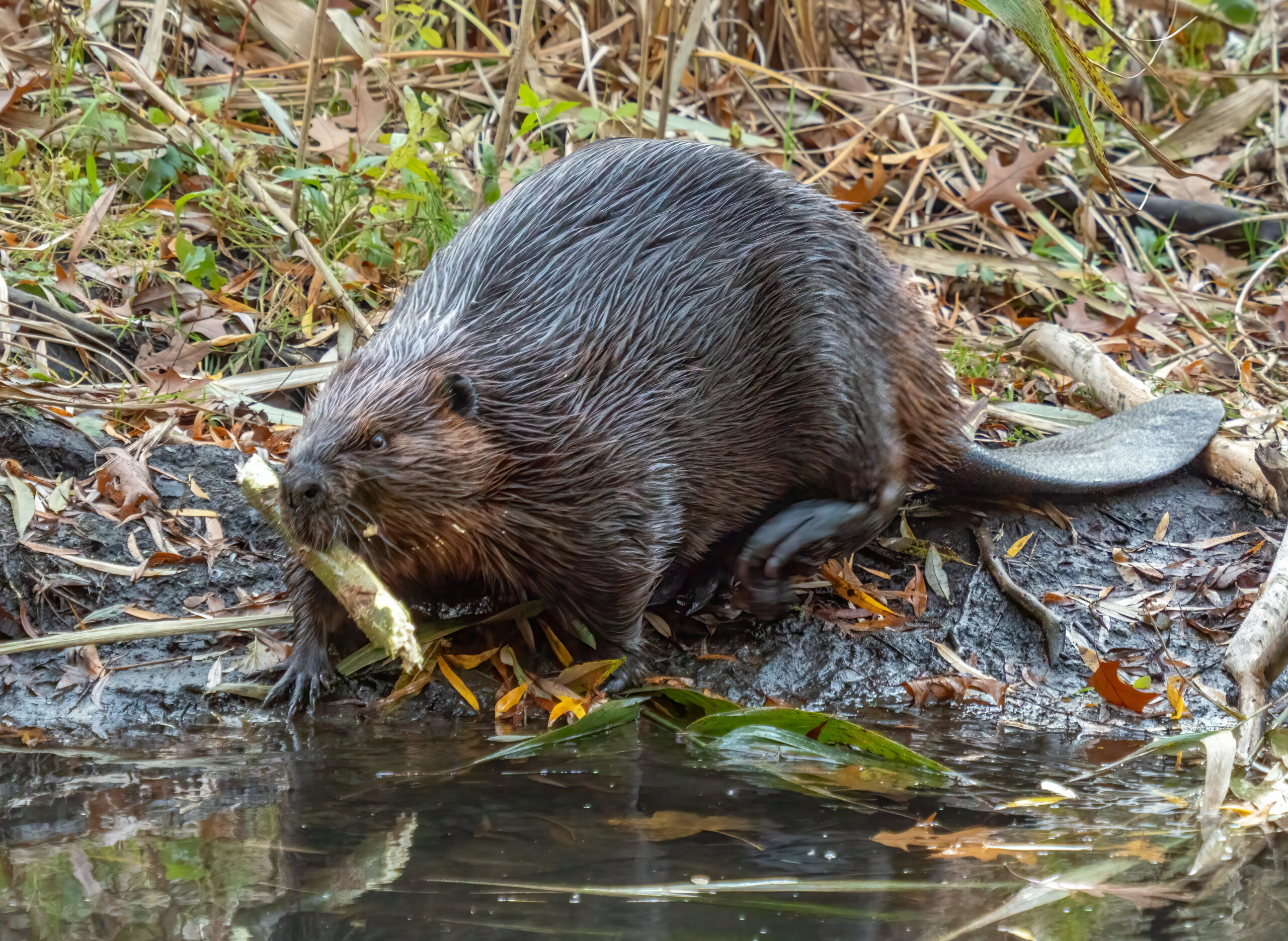
Friends of the Verde River is seeking community members to join their Beaver Seeker community science project. Similar to its Otter Spotter program, the Beaver Seeker program is calling residents to contribute data on beaver sightings to help them choose best practices for river restoration.
Megan Isadore, co-founder and executive director of River Otter Ecology Project, gave an overview of beaver facts, how to spot beavers along the Verde River and how to report your findings. By understanding where beavers are living and building shelters in the Verde watershed, FOTVR can encourage beavers in what they naturally do best: Slowing the flow of water, widening the flood plain and supporting biodiversity.
The North American Beaver [Castor canadensis] was once found nearly everywhere in Arizona and North America in areas that had access to permanent water. Their population collapsed by the mid 1800s because of trapping and loss of wetlands. While beavers are missing from much of their local range in Arizona, the Verde River watershed still has a resident beaver population.
Beavers are a keystone species, which means they have a disproportionately large effect on their ecosystem relative to their population size. When they build dams, they widen floodplains, raise water tables, recharge aquifers and create wetland habitat that supports an array of wildlife. They also create a unique microhabitat called a beaver meadow when an abandoned pond drains and refills with sediment, leaving a basin with nutrient-rich soil primed for grasses and wildflowers. Riparian areas near beaver activity burn less severely in wildfires.
Beavers live around 10 to 12 years in the wild. They mate for life and their courtship involves synchronized swimming patterns known as parallel swimming, where the pair swims side-by-side while mirroring the other’s movements. Beavers mate from November through March and produce one litter a year of three to four kits that weigh about a pound at birth. They have a full coat of fur, open eyes and can swim at birth. When the young are about 2, they venture off to find their own territory, sometimes traveling up to 10 miles.
When hiking or kayaking along the Verde, visitors are more likely to find tracks or signs of beavers rather than actual beaver sightings. Beaver size varies and can range from 40 to 70 lbs. Their back feet are large and webbed, measuring from 4.75 to 7 inches long by 3.5 to 5.5 inches wide. Their front feet are much smaller and are not webbed, measuring 2.5 to 3.5 inches wide and long. Both front and back feet have five digits. Beaver tracks are often erased by their large tail dragging over them.
Isadore said that tracking is hard for any animal and takes practice. Beaver slides, canals and trails are easier to find and interpret. There are many places along the riverside where a beaver enters and exits the water, dragging its tail and vegetation with it and creating a muddy slide. Working backwards from the slide, you can see where a beaver was working.
Beavers use established trails when traveling to and from feeding areas and build canals by digging in the water. These are also used for material transport and typically lead to and from dams, lodges and other sites of frequent beaver activity. Canals can often be spotted by seeing disturbed substrate at the stream bottom.
Beaver presence can be recognized through gnawing. Beavers use their incredibly strong teeth, which are a distinct orange color because of the presence of iron, to gnaw trees in an hourglass shape. Beavers can fell trees up to three feet in diameter. The downed trees are then stripped of bark. The beavers eat the layer inside the bark, the cambium, and leave bark chips around the tree. The main trees beaver target along the Verde are Fremont cottonwood and Gooddings willow.
Other signs of beaver activity include scent mounds and shelters. Dawn and dusk are the best times for beaver sightings, but residents are encouraged to upload any indicator of beaver presence on the Verde. Isadore shared that the stretch between Clarkdale and the Bridgeport bridge near Dead Horse Ranch State Park is one of the most accessible and wildlife-rich stretches, as well as the Upper Verde River region near Paulden.