
On May 11, the state of Arizona began allowing bars and restaurants to reopen, after they had been closed for nearly two months in an attempt to prevent spread of the novel coronavirus.
With cases in the state then comparatively low, government leaders sought to allow businesses to return to something approaching normal in the hope of improving the economy and allowing individuals to enjoy social activities after stay-at-home orders.
On Monday, June 29, with cases in the state increasing at a rate of thou- sands per day, Arizona Gov. Doug Ducey rolled back part of the state’s reopening, ordering bars and gyms closed.
“It is necessary to impose additional measures to protect public health and safety and mitigate the strain on our health care providers by slowing the spread of COVID-19,” the governor’s order reads. “In taking such critical measures to protect public health there will be direct economic consequences for businesses across the state of Arizona that provide employment for many Arizonans, including bars and restaurants.”
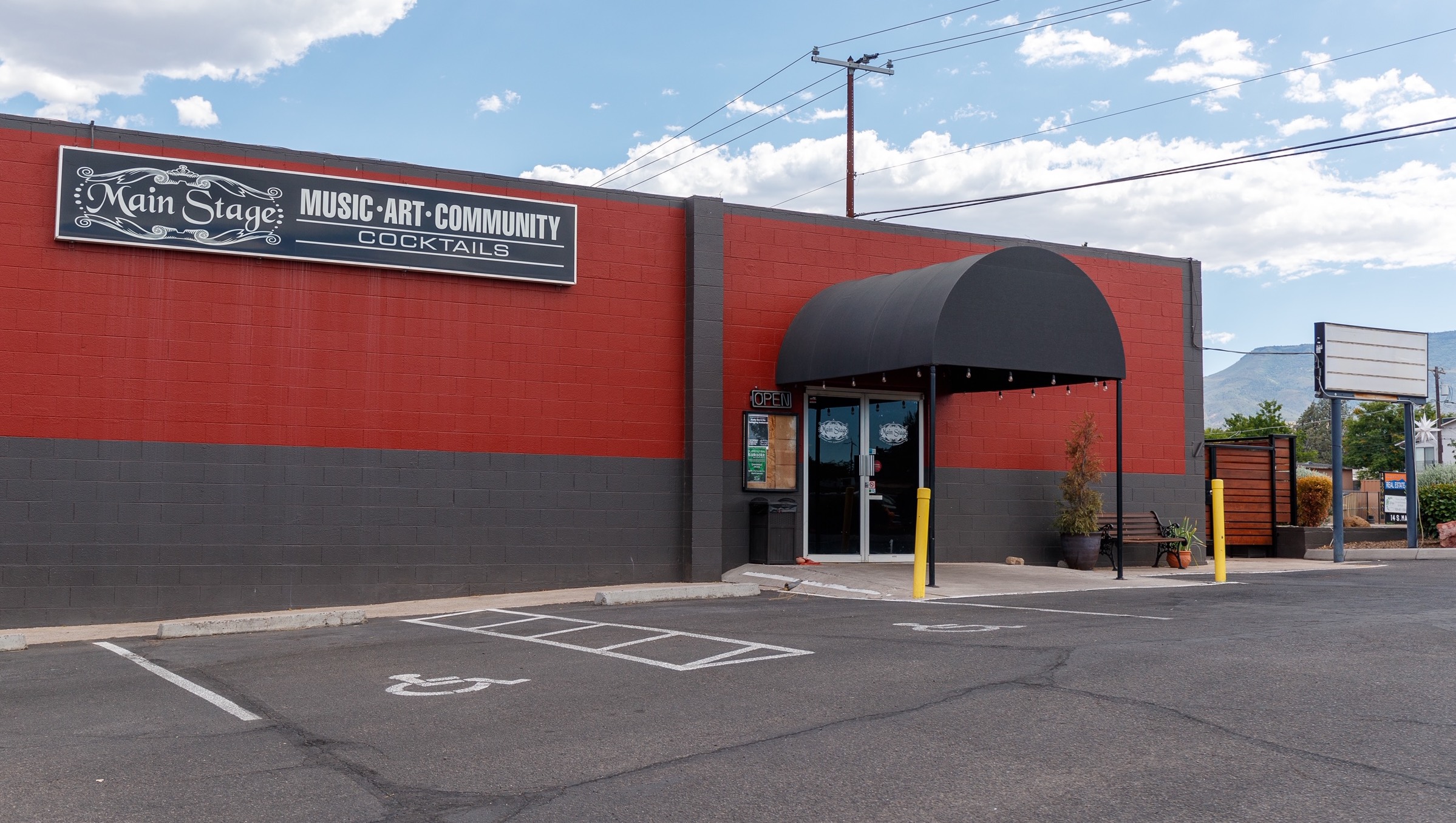
It was just three weeks before the second shutdown that Brittany Giles had gotten a job as a bartender at Main Stage in Cottonwood. She underwent job training and began working at her new position for just a handful of shifts before finding out that her new workplace was shutting down.
“It’s a little bit of a shock,” Giles said. “It’s stressful knowing you were relying on that income, and then it’s just taken right back away.”
Luckily, Giles has a second job working at a restaurant in Sedona and is hoping for more hours tomake up for the lost time. But her sense of abrupt whiplash typifies the difficulties many in the industry are facing after just six weeks of reopening were abruptly cut short.
“In accordance with the guidelines we made a lot of changes with how we were serving people. We eliminated live music, we spaced out seating, we started pouring beer into single use biodegradable plastic cups,” Sean Morris, general manager at State Bar in Cottonwood, said. “We stopped promoting entirely. We stopped music and just tried to tone it down and provide a place where people can come, get together, and drink and talk.”
Morris said that the bar had stocked up on inventory as they reopened, only to find that they were left with too much, much of it perishable, when they were later forced to close again. In an effort to continue some business, and to sell off that inventory, the bar is still selling drinks to go, including filling growlers and mason jars from their kegs, but it has ceased allowing anyone to drink on the premises. Morris said he is trying to keep staff employed and paid as they shift their operations, but notes that since most bar employees rely on tips, it is hard to keep them solvent.
“I do think that we’re going to be better off this time than last,” Morris said. “We kind of know what we’re up against a little bit more.”
Not all bars in the area were able to reopen after the first closure. The Verde Brewing Company in Camp Verde chose not to reopen at all during the brief respite.
“Verde Brewing will reopen when we can provide an environment for which all can enjoy our great craft beer,” owner Alex Goetting wrote in an email. “We have made every effort to ensure our team members and their family’s maintain their health and well-being. We look forward to sharing with community the improvements to our brewery. We plan on reopening sometime in early August.”
It remains unclear how long bars will have to remain closed, though the governor’s order only lasts through July 27. Morris said he is willing to help to improve public safety but feels ongoing dismay at not being able to run the business as he usually does.
“It’s tough for us to close, because we know we’re not an essential business, but we are a necessary thing for our community,” Morris said. “We do provide something good. But we’re fully cooperative and understanding that this is the course that we have to take.”