

OKs proposed $12.6M budget, average plus 2% raises for school teachers
Going into the 2026-2027 school year, teachers at Mingus Union High School will – for the first time – use state-appropriated Classroom Site Funds for a performance-based pay structure.
The Performance Pay Plan was initially discussed in the fall with pushback from teachers, students and families, citing concerns on teachers’ control on what’s being measured and the techniques for evaluating the teachers.
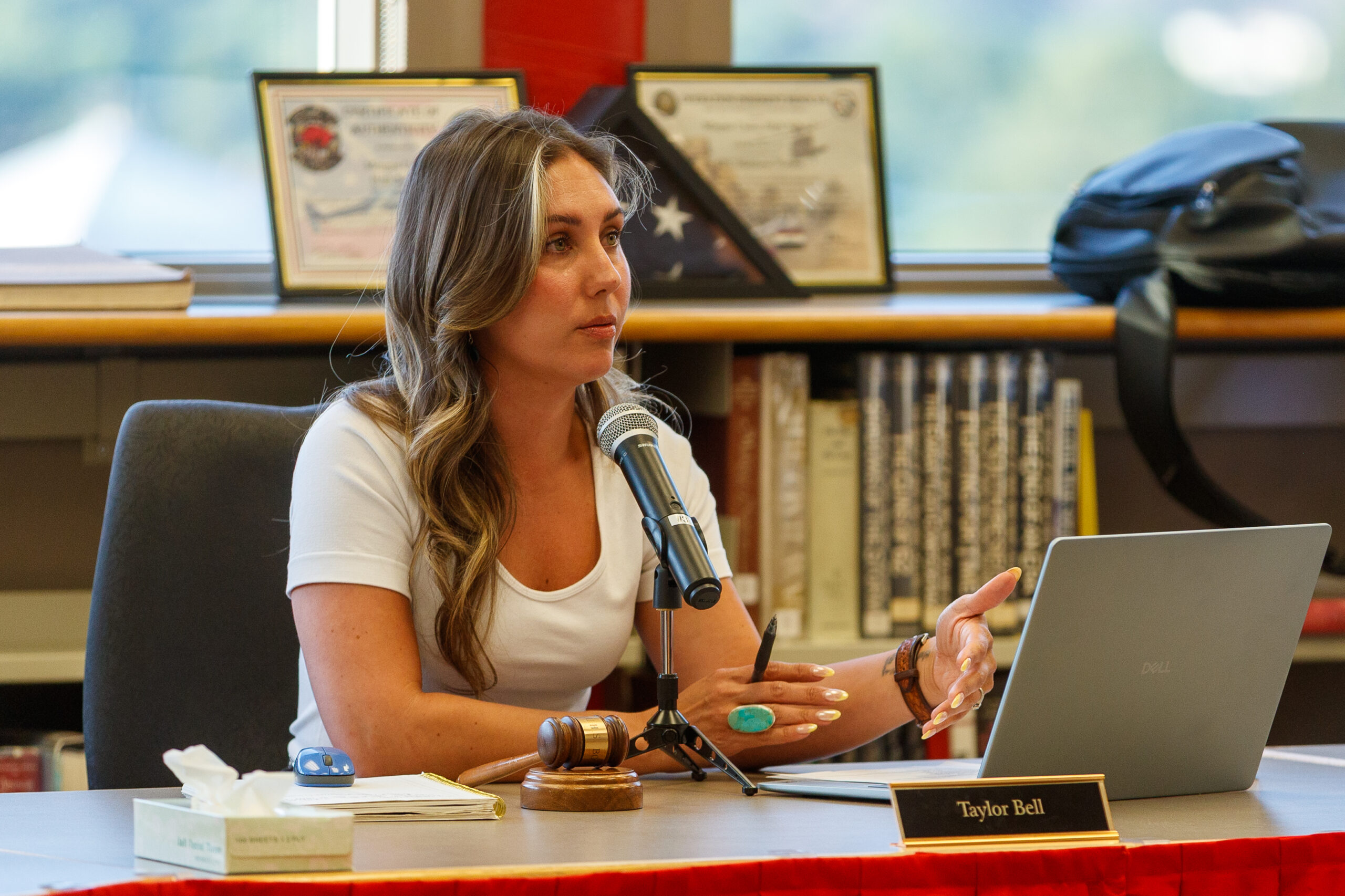
While approved as part of the consent agenda, Governing Board member Austin Babcock pulled it for discussion during the June 11 meeting, citing concerns of the clarity of teacher expectations.
“My concern is with the first bullet point,” he said, “and it reads that we’re going to order a qualified group for the Classroom Site Fund, that the CFAs, the common formative assessments, along with growth assessments, are going to be administered. The results will be documented.”
He said the focus should be coming up with an action plan for using the Northwest Evaluation Association evaluation results, not just taking the measurements.
“I think that’s just an implied expectation, because it’s literally what teachers do, and we’re talking burnout,” Principal Dave Beery said. “On one hand, nobody leaves this school at the end of the day and goes home, they’re done. Our teachers are working long hours, and I want to make sure thatthat’s understood.”
The draft rubric was approved March 12. The June 11 approval of the PPP precedes the budget adoption and public hearing, scheduled for Thursday, July 9, and gives administration the greenlight to begin implementing the pay structure.
“Components will be collected, viewed, and evaluated quarterly throughout the year,” the plan reads. “Upon quarterly review, if documentation does not meet criteria, staff members will be notified of deficiencies and will have one week from the date of notification to provide required documentation so long as the nature of the performance permits late completion. Payment for the successful completion of the performance requirements will be at the end of the school year.”
Merit pay will make up 20% of the Classroom Site Funds. Eligible employees will receive 30% in December and the rest in May.
“New Certified staff rated as Developing (2 years of experience or less) will receive 80% of the performance allocated funds,” the policy states. “MUHS will allocate $5000 of the classroom site fund for the purpose of targeted professional development and training to support continuing, underperforming certified staff members’ improvement to meet the goal of effectiveness in increasing student achievement.”
The rubric and ways teachers earn points for their evaluations are available on the district’s website and the March 18 JOURNAL story “Mingus makes moves on merit pay.”
The performance pay policy itself will be reviewed annually by the Classroom Site Fund Committee, which will make recommendations to the admin and governing board. At least 70% of teachers eligible to participate in the plan must approve it before the board can approve it. Eligible employees must be current at the time of the payroll processing and long-term substitutes and non-district employees are ineligible.
Employees can appeal the decision up to 10 working days following the notification.
Budget
The total budget expenditure limit in the proposed budget is $12,630,671.
Total budgeted revenues are $10,784,070 including property taxes and $9,990,065 excluding them.
The board approved the proposed budget 4-0, and is scheduled to have its public hearing and formal budget adoption in its July 9 meeting.
Average teacher salaries increased from $73,826 to $74,942, a 2% increase.
Proposition 301 money of $17,500 per teacher, according to district Business Manager Lynn Leonard.
Board member Will David said he attended a recent meeting for school board members across Northern Arizona, where they talked about budget and teacher retention. He said the main reason teachers leave isn’t pay, it’s burnout.
“We did talk about salaries because at the end of the day, burnout is a little more palatable when you’re making more money,” he said. “And if you’re not keeping up with inflation, and we’re not – and it’s even worse this year – then it makes it even harder on teachers who are making tough decisions about whether they can withstand the challenges of teaching for the paycheck they’re receiving.”
The past 12 months, according to the US Bureau of Labor Statistics’ June 10 report, was 4.2%.
Instruction makes up the biggest expenditure at $3,656,626, down slightly from last year’s $3,657,124.
Another large expense for support services is operations and maintenance, which includes examples of janitorial services and grounds keeping, at $1,488,629.
The capital budget is $1,007,202, down from last year’s $1,204,374.


