
Council OKs plan to raise tax from 3% to 8%
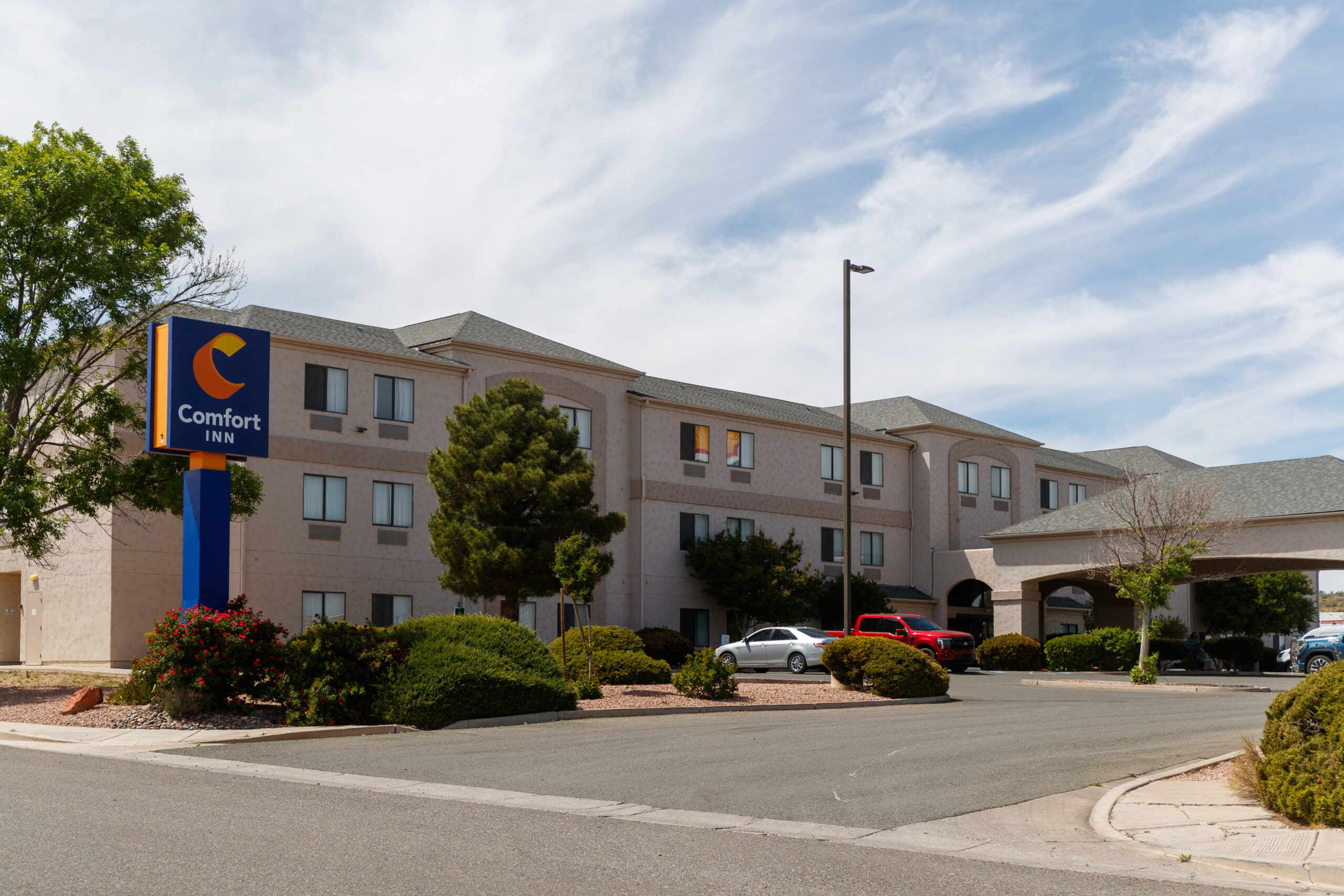
It could cost travelers more to lay their heads to rest in Camp Verde overnight, following Town Council’s unanimous notice of intent approval during a Special Session on March 25, to raise the bed tax to 8% from 3% for overnight stays less than 30 days.
“What we’re looking at is an 8% tax add in total,” Town Manager Miranda Fisher said. “So, 5.65% can be used for the General Fund to just offset regular expenditures. 2.35%, though, will have to be restricted for tourism-related expenditures. So that’s anything from marketing, sponsorship of events and festivals, development of facilities that really attract tourists or partnership with anyone who does tourism promotion.”
If approved, the new lodging tax rate would be 18% composed of the new 8% rate, 5.6% from the State Transaction Privilege Tax, 3.65% from the Town’s General TPT and 0.75% from the Yavapai County Tax.
“The 5% increase in Transient Lodging tax should increase our Accommodation revenue category by $390,000 in FY27 to approximately $910,000,” Camp Verde Finance Director Mike Showers wrote. “Of that, $727,000 would be completely unrestricted for the General Fund while the remaining $183,000 would be required to be spent on tourism related expenditures.”
Yavapai County is set to ask voters on the Tuesday, Nov. 3, General Election ballot to double the existing jail district sales tax from one-quarter to one-half of a cent per dollar, generating revenue to cover the district’s $38.4 million in annual operating costs while potentially reducing property taxes to shift some of the tax burden onto tourists. However, Fisher stated Camp Verde is only seeking to increase the lodging tax without any corresponding reduction for residents elsewhere in the budget.
Mayor Marie Moore touched on the potential of House Bill 4030 sponsored by Rep. Justin Olson [R- District 25] the legislature is discussing that would freeze the current fee rates and taxes by Arizona municipalities.
“Right now, your current legislature is working — hopefully it dies — but to lock in towns and cities from being able to increase anything for four years,” she said. “They’re also trying to lock in food taxes. Those who have food tax get to keep it. Those who don’t have food tax never get to get it. These are all laws that the legislature, right now at the capitol, are trying to control the towns.
“What we’re doing tonight, right here, we’re trying to make a consideration of what’s best for our town, and we could get hamstrung for the next four years if that does make it and doesn’t get vetoed by the governor. So just another thing for you all to take into consideration.”
Some of the other proposals in the proposed fee schedule include: A roughly 16% increase in residential wastewater fees and 15.7% increase in commercial wastewater fees, with smaller additional increases planned for 2027, increasing the fee of publicity pamphlets from $200 to $400 because of the time involved, a reduction of the liquor application fee from $250 to $100, and a $10 increase in the pool rental fee for private use to cover staff costs.
The official public hearing is scheduled for Wednesday, May 27, at 5 p.m. at 473 S. Main St., Suite 106, and if approved by the Town Council the new rate will go into effect on Wednesday, July 1.