
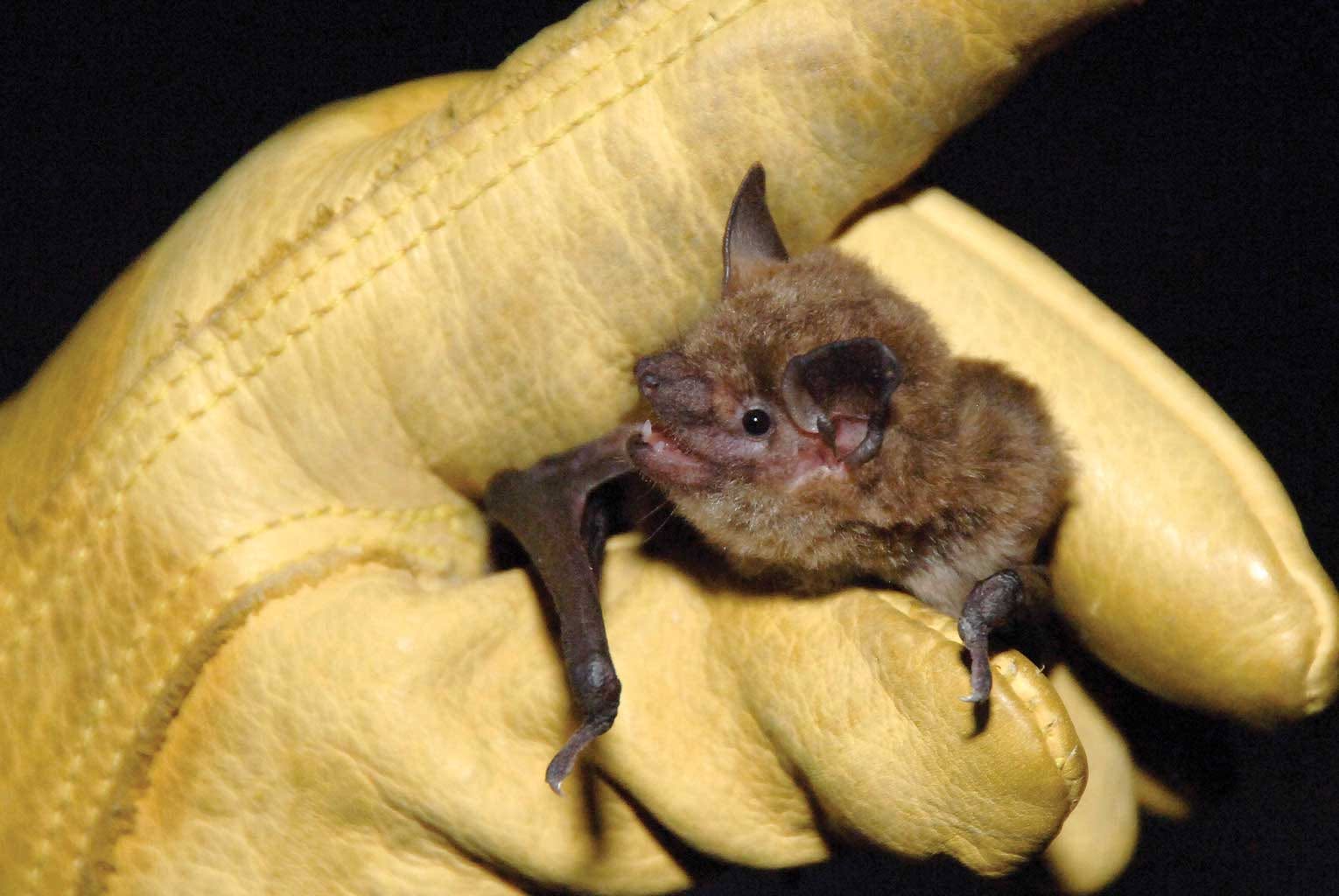
Jerome State Historic Park, 100 Douglas Road, will host its annual Bat Walk at 6:30 p.m. Saturday, Sept. 26. The gate opens at 6:15 p.m.
The event gives visitors a chance to see, hear and learn about the bats that call Jerome home. Four species regularly hunt the park’s grounds at night, emerging from caves and old mine shafts in the Black Hills. Bats provide natural pest control, pollination and other ecosystem benefits for the area.
Bat rehabilitation specialist Brenda Vento will lead the presentation. Vento is a licensed Arizona Game and Fish Department wildlife rehabilitator and an Arizona State Parks volunteer.
The walk covers more than a mile of smooth terrain. Visitors are asked to bring a red flashlight or headlamp.
The event is Americans with Disabilities Act-accessible and open to all ages, but space is limited. Admission is $8 per person, and registration is required at azstateparks.com/jerome. For more information, call 928-634-5381.
Bat conservation
Every summer, Arizona skies fill with the chirps and swooping wingbeats of furry flying mammals. Often misunderstood, the bats that live and migrate across Arizona’s landscapes are a vital part of the ecosystem that bat biologists are striving to study and conserve.
The Arizona Game and Fish Department highlighted the work of the department’s bat biologists and researchers across the state in celebration of International Bat Night on Aug. 29.
Arizona’s bats come in all shapes and sizes — big, small, red, yellow and spotted. Home to 29 species of bats, the state is ranked second for bat diversity just after Texas. This count includes the Mexican long-nosed bat, a federally protected species that was first confirmed in southeastern Arizona in 2025.
Bats are the only true flying mammals and valuable allies to humans. Worldwide, they are primary predators to vast numbers of insect pests, saving farmers and foresters billions of dollars annually and helping to control insect-spread human diseases.
“Bats are some of the most fascinating creatures — imagine being able to fly at speeds of up to 100 mph while avoiding obstacles and simultaneously hunting tiny insects by shouting into space. The mental acuity required to process so much information is astounding,” AZGFD Statewide Bat Specialist Angie McIntire said.
But many bat populations are vulnerable to threats from habitat loss, drought and disease like white-nose syndrome, a deadly fungal disease that has devastated bat colonies across North America.
AZGFD experts, along with state, federal, university and nonprofit partners, are working to better understand Arizona’s furry flyers to help them thrive and educate the public.
“Although public perceptions are changing, many people still believe that most — or all — bats have rabies, which couldn’t be farther from the truth,” McIntire said. “A bat on the ground should never be handled, but bats that are flying and doing normal ‘bat things’ don’t pose a danger to people.”
Listening for bats in Northern Arizona
Arizona’s bats navigate and hunt for food through the night using echolocation. Most species can be identified by the calls they make while hunting insects or flowers.
Using specialized audio equipment, AZGFD is recording data on bat populations in northern Arizona using their ultrasonic calls. Over time, this data can help biologists understand bat habitat use and plan for conservation projects.
Bat biologists search for elusive species
It’s been two years since the Underwood’s mastiff bat was last captured in Arizona, but biologists are striving to learn more about the rarely seen species.
With a wingspan around 22 inches, the Underwood’s mastiff bat is one of the largest bats in the United States, and the only place in the country they can be found is southern Arizona. The species has only been captured once in Arizona since 2002.
Although biologists have heard and seen the large bats while conducting surveys, efforts to capture and collect data on the bats are ongoing.
Learn more about bats with AZGFD
AZGFD’s Wildlife Viewing program offers a variety of educational opportunities to learn more about the bats that call Arizona home, including seasonal bat nettings open to the public and online events. For more information, visit azgfd.com.