
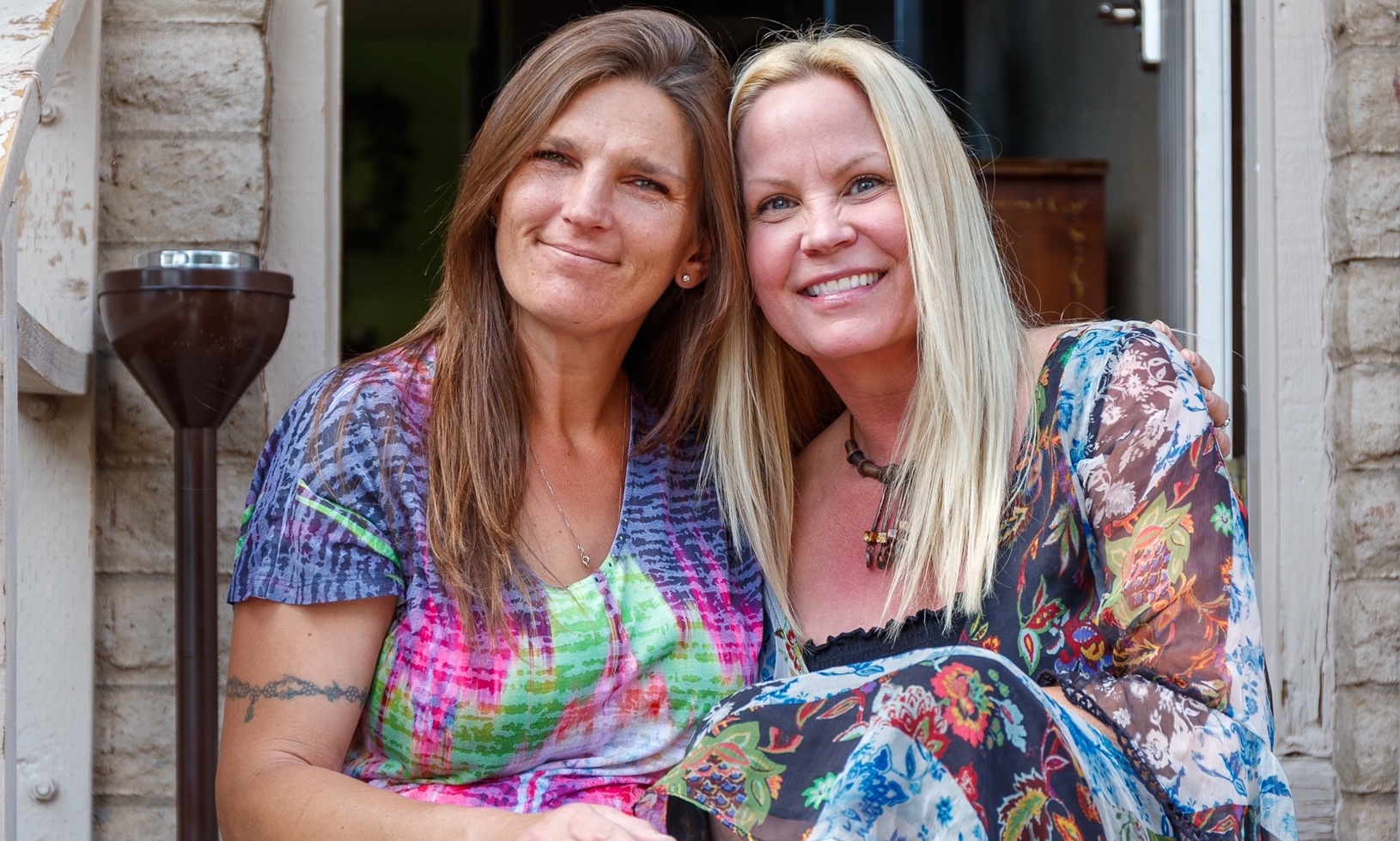
In late 2019, Steps to Recovery, a local drug and alcohol recovery nonprofit in the Verde Valley, closed its women’s home.
The property it had been using became transitional housing instead, due to the difficulty of finding a full-time house manager to live in the home and supervise the residents.
“It’s hard to find someone. It’s kind of like a glorified babysitter,” Steps to Recovery Executive Director Damien Browning said. “It’s 24/7. It’s hard to find someone who is committed.” The program depends on the generosity of donors and had trouble finding the money necessary to find and keep someone able and willing to do the difficult work. Steps to Recovery ended up with no home for female addicts seeking help for all of 2020, an exceptionally difficult year from the standpoint of drug addiction.
In early 2020, a woman named Katy, whose last name we have chosen to withhold, had gone through the program and was living in transitional housing, but relapsed. Katy came to the program yet again for help. In recent months, a donor had given the organization a house in the Verde Villages, and Browning as well as his team decided that they had to find a way to help Katy and other women like her, even if they were not prepared for it.
Anji Dickson is herself a recovering addict, though it has now been three years since she got clean. She stayed with Steps to Recovery after they helped her, working in Miracles Happen, the resale store that helps pay for the organization and provides employment to the recovering addicts, and became its manager.
When she saw a woman who needed help, she decided that she had to act. She moved into the women’s home, taking over as a temporary manager, even while continuing to work at the resale store and as the nonprofit’s operations manager.
“Sometimes your heart overrides your head,” Dickson said. “This woman — I interviewed her, and I was just in tears. I said, ‘We have to. She’s moving in.’ And I’m so grateful that I did that. Because if it’s the only thing I do in life, it’s to help an addict get off the streets and get clean and start their life and have hope again. It’s been amazing here.”
“Being of service is the No. 1 thing that keeps me clean,” Dickson said.
For Dickson, even already surrounded by the world of addiction and recovery, it has been a difficult transition to being directly responsible for a fellow addict’s recovery, serving as house mother for the new facility. But she also says she has found new purpose helping the addicts that come to the home, and creating a space for them to heal together.
“I prayed from prison for the Lord to send me to the right place,” Katy said. Katy started drinking at age 11, and has now been sober for three months. “I feel like I ended up in the right place. I wouldn’t be where I am right now — with growth, and recovery, and my job, and people that love me — without the love that is in this program, because they don’t just throw you there and say ‘go do all this stuff.’ They help you and they walk you through it, and they teach you, and they lead by example. That is why I am where I am, because I have that love and that compassion.”
Dickson says that one of her main goals in leading the home is to provide a calm and safe environment for those living there. Steps to Recovery’s ethos, as put forward by Browning, is treating addiction by dealing with the underlying causes — mental health, job security, relationships — that lead people to want to use.
At the women’s home, that means keeping the residents busy with numerous activities to prevent the kind of idle time that can lead recovering addicts to want to use, but also making sure that they feel relaxed and healthy. After being breathalyzed first thing in the morning, residents begin the day with smoothies, before moving to meditation and group readings. Residents have gym memberships as well.
“I think that one begets the other — the more healthy that we get, the more healthy things we want to do,” Dickson said. “It helps people who are not completely through a detox. It takes a long time to get stuff out of our bodies, especially with women, because of the nature of our physical makeup.”
Since early success with Katy, the house has begun to expand, bringing in a second resident named Michelle two months later. Michelle started drinking at age 14 and is now in her 50s. She said her month at Steps to Recovery represents the longest she has gone without a drink since she was a teenager.
“I thought before I moved in here maybe I would break the rules or try to sneak away, and I know it’s going to be a lifelong battle, but I have not wanted to,” Michelle said. “Of course, I’ve felt temptation in my mind but I’ve never once wanted to act on it since I got here. I think [it is] because I’m receiving positivity and encouragement. And I don’t want to let Anji, or Damien, or Katy down. It’s about me mainly, but it’s myriad things. It’s been really good for me. Probably the smartest thing I ever did, truthfully.”
Two more women are slated to move in in the near future, as the women’s home that started almost by accident is becoming a permanent fixture. Browning says that he hopes that at some point, part of the building can be used for women with children, who might otherwise hesitate about entering a sober living program for fear of having to separate from their families.
The organization is still trying to find someone who can take over as manager on a more permanent basis, and Browning said that a recent grant for the organization means that they will be able to pay more, hopefully easing the search. But in the meantime, Dickson says that the work, though difficult, has been inspiring.
“At the end of the day, if I’m exhausted, and I come home and see these two girls laughing, and they’re healthy and they’re comfortable and happy … that’s what keeps me going,” Dickson said. “It has tapped into a different part of me ….. It challenges me in different ways — more matters of the heart.”