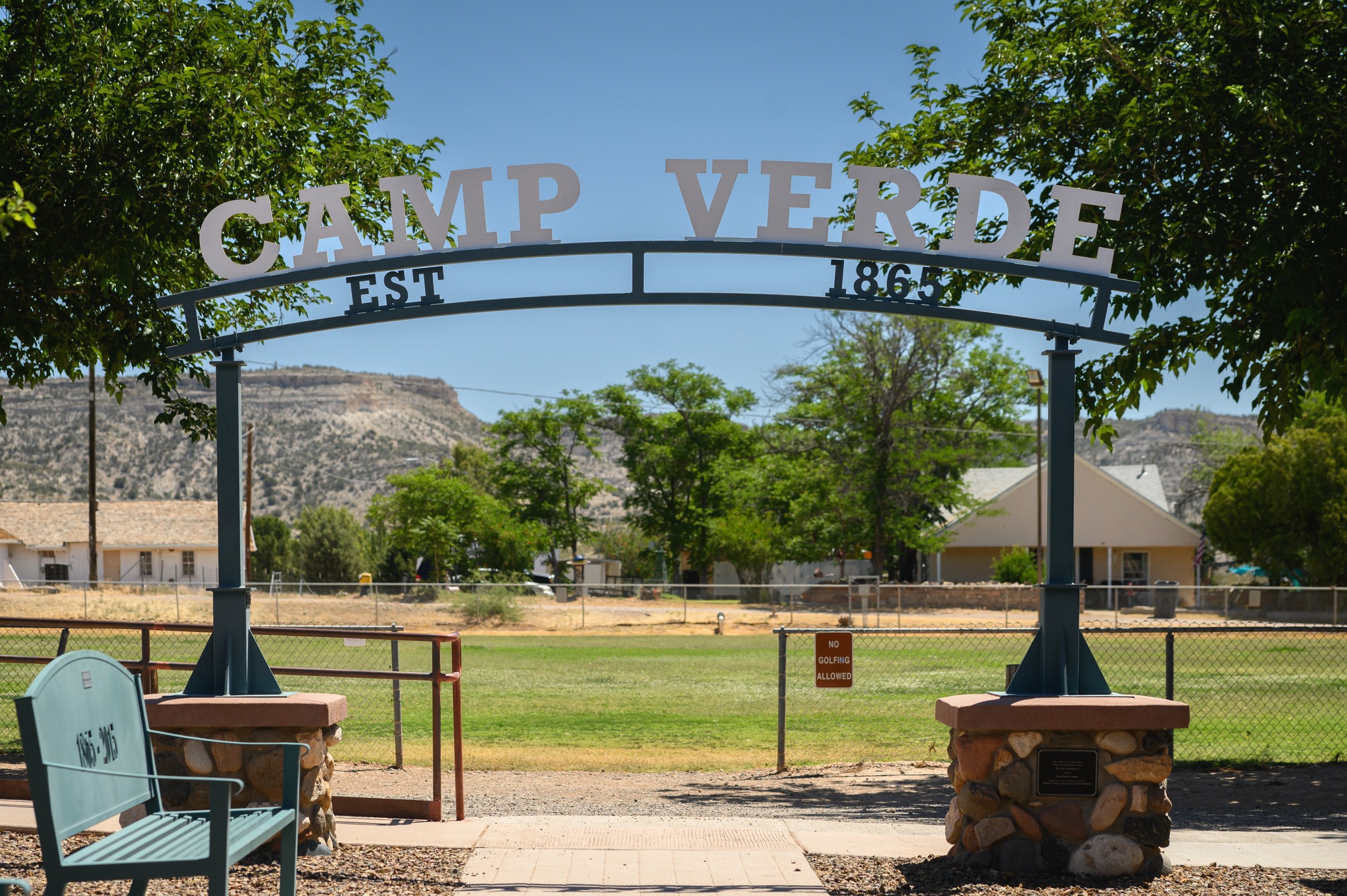
The Town of Camp Verde worked with its bond attorney at Stifel to draft the language for House Bill 4064 that is seeking changes to Municipal Improvement Districts that has been sponsored by Arizona Rep. Selina Bliss [R-District 1] and has passed the House.
“In 2016, there were some statutory changes made that created some unintentional barriers on Municipal Improvement Districts,” Camp Verde Town Manager Miranda Fisher said. “The way the current legislation reads now you start to do all the engineering and the design costs and then you go out and do a petition process to see if 50% of the voters support it.”
Fisher said the bill would move the petition process earlier in the process before a municipality has to spend money on design and would allow local government to get a better sentiment on a project.
“It doesn’t take away the objection process,” Fisher said. “So there’s still a public hearing on the later end, where even if you said ‘yes,’ at the [start] you can still express concern on the back end.
“It’s just giving us a general idea of is there enough interest in [a project] to quantify moving it forward financially.”
“We were lucky to get it through the House, and so we’ll move it on to the Senate, but we would greatly benefit from a municipal improvement district for sewer out on [State Route] 260 but we don’t have the financial means to spend all of that money,” she said. “We really need to have more of that assurance up front that our owners that are impacted support this.”
Yavapai-Apache Nation Tribal Council Chairman Buddy Rocha Jr. spoke to the committee in support of HB 4064, saying the bill gives rural communities like Camp Verde a better way to pay for roads and other infrastructure without burdening existing taxpayers.
“This allows infrastructure costs to be borne by the properties and directly benefit the development, rather than shifting these costs [to] existing residents or taxpayers who pay or may not receive or may not receive, a direct benefit,” he said. “For rural areas like SR 260 where the nation and the Town of Camp Verde share long term interest in responsible development. MIDS are an important financing tool.”
Y-AN, USFS Land Exchange
Camp Verde and the Yavapai-Apache Nation are working to secure $18 million to $20 million in funding for the Northbound Highway 260 Sewer Expansion — a project driven in large part by land the Nation acquired on Nov. 4, 2024, through a 3,201 acre land exchange with the U.S. Forest Service. The “Lower 260 Parcel,” which begins near West Horseshoe Bend Drive and runs south along State Route 260 to Interstate 17 is the largest tract of land the Y-AN gained in that exchange.
“This [possible] change is directly tied to State Route 260 an area that is also a federally designated opportunity zone,” Camp Verde Mayor Marie Moore said to the House Government Committee on Feb. 18. “This corridor runs parallel to the Verde River and is largely served by aging septic systems. Extending wastewater infrastructure [to] there has been a long standing priority, but we’ve not been able to assume the upfront financial risk required under the current MID structure. This bill would allow us to move forward with sewer infrastructure sooner, supporting responsible development, environmental protection and regional economic growth.”
Broad Support
Current registered supporters include Yavapai County Supervisor Nikki Check [D-District 3] who represents Sedona, Supervisor Dee Jenkins [R-District 2]. There are currently no registered positions that are neutral or against the bill. However, the bill passed out of the House Government Committee on Feb. 18, with Arizona Reps. John Gillette [R-District 30] and Rachel Keshel [R-District 17] opposed on the 5-2 vote.