

On Saturday, Feb. 29, health officials in Washington state confirmed the first American death from COVID-19, the illness related to the coronavirus strain that was first identified in Wuhan, China. Over 60 Americans have so far contracted the virus.
“It’s not so much a question of if this will happen anymore but rather more a question of exactly when this will happen and how many people in this country will have severe illness,” Dr. Nancy Messonnier, the head of the National Center for Immunization and Respiratory Diseases at the Centers for Disease Control and Prevention, said at a press briefing on Wednesday, Feb. 26. Public health officials in Northern Arizona have not yet been sounding the alarm.
“So far we do not have any confirmed coronavirus cases in Yavapai County, and the one that was confirmed in Arizona [in Maricopa County] has since been quarantined, monitored and released after clearing the virus,” stated Leslie Horton, director of Yavapai County Community Health Services.
While the county is not yet expecting any cases, public health officials say they are trying to prepare in case of an outbreak in the area. This past year, before the coronavirus was identified as a potential health threat, county, state and federal agencies coincidentally conducted emergency training for a flu pandemic.
“I’m concerned about it, but I wouldn’t say scared,” Stephen Everett, section manager for communicable diseases at YCCHS said. Everett said that health officials had been looking to the 1918 Spanish flu — which infected roughly a quarter of the global population — as a potential model but noted that much remains unclear.
“We don’t have a lot of information,” Everett said. “This is a really new virus, so we don’t know if people can get infected but not show any symptoms and just be carriers, if people can have mild symptoms [where] it might not even be detected and they think it’s just a head cold and stay at home.”
Everett pointed to a potential for heavy disruption even if most people’s symptoms are mild, such as if a quarter of the population is sick, not able to work, but another friend or family member is helping take care of every sick individual. Everett pointed to the possibility that vital workplaces — health care, law enforcement, energy, etc. — could have half of their workplace missing during an outbreak.
In the case of a diagnosis in Yavapai County, public health officials would notify state and federal authorities, trying to isolate that patient so as not to spread to others. Health officials would attempt to identify the patient’s recent history in order to determine how they contracted the disease.
Everett said that people should consider stocking up for the possibility of having to stay home for a long period of time in order to avoid the spread of the disease, suggesting that two weeks of necessities such as food and medicine would be useful.
In the meantime, Everett stressed that the best defense against the spread of disease remains the same as ever: “Cover your coughs, wash your hands, stay away from sick people and stay away from people when you’re sick.”
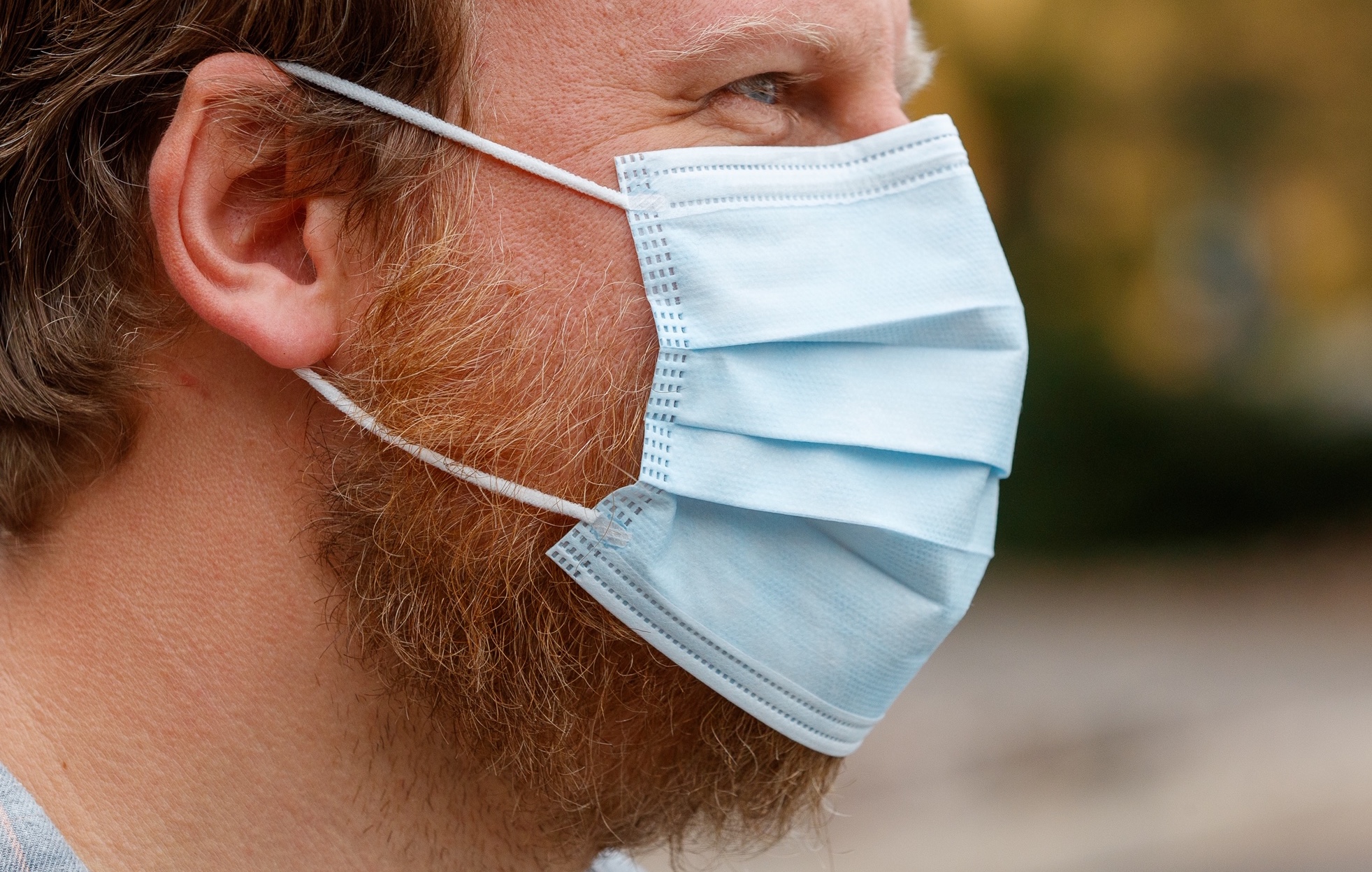
“Wearing a mask helps a little so I recommend wearing one but don’t expect it to be super effective,” Everett said. “You’re better off keeping a distance from other people. The best thing you can do is gloves. Wash your hands as much as you can. Use hand sanitizer when you can’t wash your hands. And just be careful of any surface, because what happens when a person sneezes, their drop- lets stay in the air for a few minutes and then they fall on to surfaces, where they sit. So that’s really where a virus is going to be in the environment longer than up in the air.”


